

Welcome to the Watchstreet Journal, your guide to the world of watches. Whether you’re a first-time buyer, a seasoned collector, or simply an admirer of fine timepieces, our articles offer practical insights, clear advice, and the latest industry trends to help you shop smarter and enjoy every watch you own.

Should You Use a Watch Winder?

If you own an automatic watch, you’ve probably come across watch winders and wondered whether you actually need one. Are they essential tools, or just luxury accessories? The answer depends on how you wear and store your watch.

This guide explains what a watch winder does, when it’s useful, and when it’s not necessary — so you can decide what’s right for your collection.

What Is a Watch Winder?

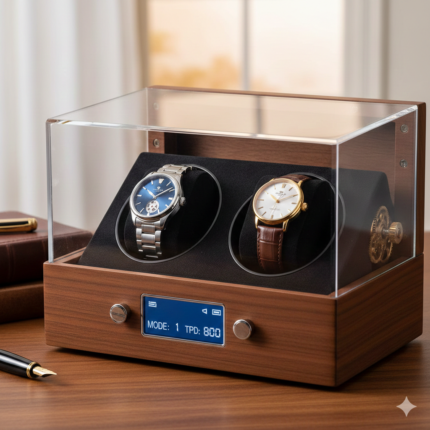
A watch winder is a device that gently rotates your automatic watch to keep it wound when it’s not being worn. Since automatic watches rely on wrist movement to generate power, a winder mimics that motion to prevent the watch from stopping.

Watch winders are commonly used for:

  • Automatic watches with date or complication functions

  • Watches worn infrequently

  • Multi-watch collections

  • Display and storage purposes

When a Watch Winder Makes Sense

A watch winder can be useful in certain situations, especially depending on how often you wear your watch.

1. You Own Watches With Complications

If your watch has complications such as:

  • Date or day display

  • GMT

  • Moonphase

  • Perpetual calendar

resetting it can be time-consuming. A winder keeps everything running and ready to wear.

2. You Rotate Between Multiple Watches

If you own several automatic watches and rotate them throughout the week, a winder prevents them from stopping between uses.

This adds convenience and keeps time-setting to a minimum.

3. You Want Easy Grab-and-Go Convenience

A winder keeps your watch:

  • Running

  • Set to the correct time

  • Ready to wear instantly

This is ideal for busy lifestyles or collectors who prefer simplicity.

4. You Want Organized Storage and Display

Many winders double as display cases, protecting watches from dust while showcasing them neatly. This can be both practical and visually appealing.

When You Don’t Need a Watch Winder

Despite their benefits, watch winders are not essential for everyone.

You Probably Don’t Need One If:

  • You wear the same automatic watch daily

  • You don’t mind resetting the time and date

  • Your watch has a simple time-only movement

  • You own only one automatic watch

Modern automatic watches are designed to stop safely without damage when not worn.

Can Watch Winders Damage a Watch?

A properly designed, high-quality watch winder will not damage a modern automatic watch when used correctly.

However, problems can occur if:

  • The winder runs continuously without rest

  • Rotation direction or turns-per-day settings are incorrect

  • The motor produces excess vibration

  • The watch is already overdue for servicing

Using a quality winder with adjustable settings helps avoid unnecessary wear.

Best Practices When Using a Watch Winder

To use a watch winder safely:

  • Choose one with adjustable turns per day

  • Match the winding direction to your movement

  • Avoid cheap, unregulated motors

  • Don’t leave unserviced watches running indefinitely

  • Store in a cool, dry environment

When used properly, a winder is a convenience tool — not a requirement.

Watch Winder vs Manual Winding

Manual winding your watch occasionally is perfectly safe and often preferred by purists. If you enjoy interacting with your watch, you may not need a winder at all.

Both approaches are acceptable depending on lifestyle and preference.

Final Verdict: Should You Use a Watch Winder?

A watch winder is not essential, but it can be useful.

Use a watch winder if you:

  • Own multiple automatic watches

  • Prefer convenience

  • Want your watch always ready to wear

  • Enjoy displaying your collection

Skip it if you:

  • Wear your watch daily

  • Don’t mind resetting it

  • Prefer simplicity

There’s no right or wrong choice — only what suits your habits.

Watchstreet Tip

At Watchstreet, we focus on helping collectors make informed decisions. Whether you use a watch winder or not, proper care, authenticity, and thoughtful ownership matter more than accessories.

A well-maintained watch will always reward you with longevity, reliability, and lasting value.

How to Avoid Scratches on Your Watch

Scratches are one of the most common — and frustrating — forms of wear on a watch. While some marks add character over time, many scratches are avoidable with the right habits and care. Whether your watch is brand new or part of a growing collection, knowing how to protect it helps preserve both its appearance and long-term value.

Below are practical, expert-backed tips to help you minimize scratches and keep your watch looking its best.

Understand Where Scratches Usually Happen

Most scratches occur during everyday activities rather than accidents. Common contact points include:

  • Desk surfaces and laptop edges

  • Door frames and walls

  • Jewelry or metal bracelets

  • Keys, zippers, and hard objects

  • Rough countertops

Being aware of these risks is the first step toward prevention.

Choose the Right Watch for the Right Activity

Different watches are designed for different uses.

Avoid wearing fine or dress watches when:

  • Doing manual or physical work

  • Exercising or playing sports

  • Moving heavy objects

  • Working around abrasive surfaces

If you own multiple watches, rotate them based on activity. Sports or tool-style watches are better suited for active use, while dress watches are best reserved for lighter wear.

Be Mindful of Desk Wear

One of the most common causes of scratches is “desk rash” — wear caused by resting your wrist on hard surfaces while typing or writing.

To reduce this:

  • Use a soft desk mat

  • Slightly adjust wrist position while typing

  • Consider wearing your watch on your non-dominant hand

Small habits like these can significantly reduce long-term wear.

Store Your Watch Properly

Proper storage plays a major role in preventing scratches.

Best practices include:

  • Store watches separately, not stacked together

  • Use soft-lined watch boxes or pouches

  • Avoid contact between metal bracelets and other watches

  • Keep away from hard or abrasive materials

If you travel often, a padded travel case is highly recommended.

Be Careful When Cleaning

Cleaning your watch incorrectly can cause more harm than good.

Avoid:

  • Harsh chemicals

  • Abrasive cloths or brushes

  • Household cleaners

Instead:

  • Use a soft microfiber cloth

  • Lightly wipe after wearing

  • For deeper cleaning, use mild soap and water only if the watch is water-resistant

When in doubt, professional cleaning is safest.

Consider the Crystal Type

Different crystals have different scratch resistance:

  • Sapphire crystal – Highly scratch-resistant (most modern luxury watches)

  • Mineral glass – Moderately resistant

  • Acrylic – Scratches easily but can be polished

Knowing your crystal type helps you understand what level of care is needed.

Avoid Unnecessary Polishing

While polishing can remove scratches, it also removes metal. Excessive polishing can soften edges and reduce a watch’s original shape, which may lower its value.

Only polish when truly necessary, and always use a qualified professional.

Use Protective Accessories Wisely

Some owners choose:

  • Protective films for clasps

  • Soft pouches for daily storage

  • Watch rolls for travel

These small accessories can significantly reduce everyday wear.

Accept That Light Wear Is Normal

Even with careful handling, light marks are part of a watch’s life. Many collectors consider minor wear to be a natural sign of ownership and authenticity.

The goal isn’t perfection — it’s preservation.

Final Thoughts

Avoiding scratches comes down to awareness, proper storage, and using the right watch for the right situation. With thoughtful care, your watch can maintain its appearance, character, and value for many years.

At Watchstreet, we believe that understanding how to care for your timepiece is just as important as choosing the right one. Every watch deserves to be worn — and looked after — with intention.

How Often Should You Service a Watch?

Regular servicing is essential to keep your watch accurate, reliable, and in good condition over time. But how often should a watch actually be serviced? The answer depends on the type of watch, how often it’s worn, and the conditions it’s exposed to.

This guide explains recommended service intervals, warning signs to watch for, and why servicing matters, so you can protect your timepiece long term.

What Does “Watch Servicing” Mean?

A full watch service typically includes:

  • Disassembling the movement

  • Cleaning internal components

  • Re-lubricating moving parts

  • Replacing worn components if needed

  • Reassembling and regulating time accuracy

  • Checking seals and water resistance

  • Final testing

Servicing restores performance and helps prevent long-term damage caused by friction or aging lubricants.

How Often Should an Automatic or Mechanical Watch Be Serviced?

Most manufacturers recommend servicing every 3–5 years for automatic and manual watches.

General guideline:

  • Light use → every 5 years

  • Regular daily wear → every 3–4 years

  • Older or vintage watches → every 2–3 years

Mechanical watches rely on oils that dry out over time. Without servicing, friction increases and internal parts may wear prematurely.

How Often Should a Quartz Watch Be Serviced?

Quartz watches require less frequent servicing, but they still need attention.

Recommended schedule:

  • Battery replacement: every 1–3 years

  • Full service: every 5–7 years, or if issues appear

Even though quartz movements are simpler, seals age and batteries can leak if left too long.

Signs Your Watch Needs Servicing Sooner

Don’t wait for the recommended interval if you notice any of these signs:

  • Watch gains or loses significant time

  • Stops unexpectedly

  • Moisture or fog under the crystal

  • Crown feels stiff or loose

  • Unusual noises

  • Chronograph doesn’t reset properly

  • Reduced power reserve

These symptoms often indicate internal wear or seal failure.

Why Regular Watch Servicing Matters

1. Prevents costly repairs

Old lubricants can cause metal-on-metal friction, leading to permanent damage.

2. Maintains accuracy

Servicing ensures your watch keeps time within its intended tolerance.

3. Protects water resistance

Seals degrade over time and must be inspected or replaced.

4. Preserves long-term value

Well-maintained watches hold value better, especially luxury models.

5. Extends lifespan

A properly serviced watch can last decades — even generations.

Does Servicing Affect Water Resistance?

Yes. Any time a watch is opened, water resistance may be compromised unless seals are replaced and pressure-tested.

For dive or sports watches, proper resealing is essential after servicing or battery replacement.

Can You Service a Watch Yourself?

Basic tasks like strap changes are safe to do at home, but full servicing should always be done by a professional.

Watch movements are precise and delicate. Improper handling can cause more harm than good.

Authorized Service vs Independent Watchmaker

Both options can be valid depending on your needs:

Authorized service centers:

  • Use manufacturer-approved parts

  • Follow brand standards

  • Often more expensive

  • May take longer

Independent professionals:

  • Often more affordable

  • Faster turnaround

  • Suitable for many brands

  • Ideal for out-of-warranty watches

Choosing a skilled and reputable watchmaker is key.

Final Thoughts

Regular servicing is not about fixing problems — it’s about preventing them. Whether quartz or mechanical, every watch benefits from proper maintenance over time.

By following recommended service intervals and addressing issues early, you protect accuracy, longevity, and value.

At Watchstreet, we believe a well-maintained watch is part of responsible ownership — and the foundation of long-term enjoyment.

When Should You Replace a Watch Battery?

A watch battery doesn’t last forever — but knowing when to replace it can help you avoid sudden stoppages, time loss, or even damage to your watch. Whether you own a quartz dress watch or a luxury timepiece, understanding battery life and warning signs ensures your watch keeps running reliably.

This guide explains how long watch batteries last, the signs they need replacing, and best practices to protect your watch.

How Long Does a Watch Battery Usually Last?

Most watch batteries last between 1 to 3 years, depending on several factors:

  • Type of movement

  • Battery size and quality

  • Watch functions (chronograph, backlight, alarms)

  • Frequency of use

  • Environmental conditions

High-function quartz watches tend to drain batteries faster, while simple three-hand models often last longer.

Common Signs Your Watch Battery Needs Replacing

1. The Watch Has Stopped Completely

The most obvious sign is when the watch no longer runs. In quartz watches, this almost always means the battery is depleted.

2. The Seconds Hand Jumps Every Few Seconds

Many quartz watches use a low-battery warning system where the seconds hand jumps in 2–4 second intervals instead of moving normally. This typically means the battery will die within weeks.

3. Time Becomes Inaccurate

If your watch starts losing or gaining noticeable time, the battery may be weakening and no longer supplying stable power.

4. Digital Display Fades or Flickers

On digital or hybrid watches, a dim display or fading numbers often indicate a low battery.

5. Chronograph or Extra Functions Stop Working

In multifunction watches, secondary features may stop before the main timekeeping does — a sign that power levels are low.

Why You Shouldn’t Delay Battery Replacement

Letting a dead battery sit inside your watch can cause long-term damage.

Potential risks include:

  • Battery leakage, which can corrode internal components

  • Damage to the movement

  • Expensive repairs or full movement replacement

  • Reduced water resistance after improper handling

Replacing the battery early is simple and far cheaper than repairing damage later.

How Often Should You Replace a Watch Battery?

As a general guideline:

  • Every 12–24 months for most quartz watches

  • Every 2–3 years for high-quality, low-drain models

  • Immediately when low-battery signs appear

If you don’t wear your watch often, it’s still important to check the battery periodically.

Should You Replace the Battery Yourself?

While DIY battery replacement is possible, it’s not always recommended — especially for higher-end or water-resistant watches.

Professional replacement is safer because:

  • The case is opened with proper tools

  • Gaskets can be inspected or replaced

  • Water resistance can be preserved

  • Correct battery type is installed

  • Internal components are protected

For luxury or water-resistant watches, professional servicing is strongly advised.

What Happens During a Professional Battery Replacement?

A proper battery service usually includes:

  • Opening the case safely

  • Removing the old battery

  • Inspecting for leaks or corrosion

  • Installing the correct new battery

  • Checking gasket condition

  • Resealing the case

Some service centers also test water resistance afterward.

Can Battery Replacement Affect Water Resistance?

Yes. Once a watch is opened, its water resistance may be compromised unless:

  • Gaskets are inspected or replaced

  • The case is properly resealed

  • Pressure testing is done

This is especially important for dive and sports watches.

Tips to Extend Watch Battery Life

  • Avoid leaving your watch in extreme heat or cold

  • Don’t activate chronographs unnecessarily

  • Store watches in a dry place

  • Replace batteries promptly when low

  • Avoid cheap, low-quality batteries

What About Automatic Watches?

Automatic watches do not use batteries. If an automatic watch stops, it usually needs:

  • Winding

  • Regular wear

  • Or professional servicing

Battery replacement applies only to quartz-powered watches.

Final Thoughts

Replacing your watch battery at the right time keeps your watch running accurately and protects it from avoidable damage. Paying attention to early warning signs and choosing proper replacement methods can significantly extend your watch’s lifespan.

At Watchstreet, we believe that caring for your watch is just as important as choosing the right one — and understanding battery maintenance is a simple step toward long-term reliability.

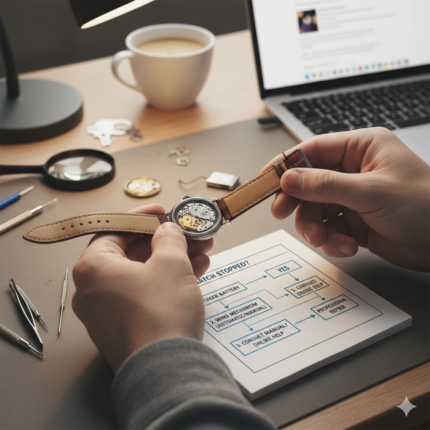
What to Do If Your Watch Stops Working

Few things are more frustrating than looking down at your wrist and realizing your watch has stopped. The good news? In most cases, the issue is simple — and completely fixable. Whether you own a quartz or mechanical timepiece, understanding the likely causes can help you act quickly and avoid unnecessary damage.

This guide explains the most common reasons a watch stops working, what you can safely do yourself, and when it’s time to seek professional help.

Step One: Identify Your Watch Type

Before troubleshooting, determine which type of movement your watch uses:

  • Quartz – battery-powered

  • Automatic – powered by wrist movement

  • Manual – wound by hand

Each behaves differently when it stops, and each requires a different solution.

If You Own a Quartz Watch

The Most Common Cause: A Dead Battery

In most cases, a quartz watch stops simply because the battery has run out. This is normal and expected.

Common signs include:

  • The second hand stops completely

  • The second hand jumps in intervals

  • Time becomes inconsistent

What to do:

Have the battery replaced by a professional to avoid damaging seals or internal components.

Tip: Never leave a dead battery inside a watch — it can leak and permanently damage the movement.

If You Own an Automatic or Manual Watch

It May Simply Need Power

Mechanical watches stop when they run out of stored energy.

Try this:

  • Gently wind the crown 20–30 turns

  • Wear the watch for several hours

  • Observe whether it resumes normal operation

If it runs normally afterward, there’s no issue — it simply wasn’t being worn.

Power Reserve Matters

Most automatic watches have a power reserve between 38 and 72 hours. If you rotate between multiple watches, it’s normal for one to stop when left unworn.

A stopped watch doesn’t mean it’s broken — it often just needs motion.

External Factors That Can Stop a Watch

Magnetism

Modern life exposes watches to magnetic fields more than ever. Phones, laptops, speakers, and magnetic clasps can all affect accuracy or cause a watch to stop.

Symptoms include:

  • Running too fast or too slow

  • Irregular ticking

  • Sudden stoppage

A professional can demagnetize a watch quickly and safely.

Shock or Impact

Even a minor knock can disrupt delicate internal components.

If your watch stopped after being dropped or hit, avoid winding or shaking it. Have it inspected to prevent further damage.

Water Exposure

Water intrusion is a serious issue.

Warning signs include:

  • Fog under the crystal

  • Moisture droplets

  • Corrosion or discoloration

If this happens, stop using the watch and seek professional service immediately. Delaying can cause permanent damage.

What You Should Avoid Doing

To prevent further issues, avoid:

  • Forcing the crown

  • Opening the case yourself

  • Shaking the watch aggressively

  • Using household tools or chemicals

  • Attempting DIY repairs

Modern watches are precise instruments and should only be serviced by trained professionals.

When to Get Your Watch Serviced

You should consider professional servicing if:

  • The watch won’t restart after winding or battery replacement

  • Timekeeping becomes unreliable

  • Moisture is visible

  • The watch hasn’t been serviced in several years

General service guidelines:

  • Mechanical watches: every 4–6 years

  • Quartz watches: battery replacement as needed, full service every 5–7 years

Routine servicing helps preserve accuracy, performance, and long-term value.

A Note on Long-Term Care

A well-maintained watch can last decades — even generations. Most issues don’t happen suddenly; they develop gradually when maintenance is ignored.

Understanding how your watch works is one of the best ways to protect it.

Final Thoughts

If your watch stops working, there’s no need to panic. In most cases, the solution is simple and affordable. By identifying the cause early and avoiding common mistakes, you can keep your timepiece running smoothly for years to come.

At Watchstreet, we believe informed owners make better decisions. That’s why we focus on education, transparency, and careful curation — so you can enjoy your watch with confidence, every day.

The Psychology Behind Wearing a Luxury Watch

Luxury watches are more than tools that tell time — they are symbols of identity, achievement, and taste. In a world dominated by smartphones, finely crafted timepieces continue to captivate, conveying status, personality, and meaning in subtle but powerful ways.

At Watchstreet, we explore why luxury watches remain relevant and why wearing one is as much a psychological experience as it is a style statement.

1. A Symbol of Personal Identity

A luxury watch is one of the few accessories that communicates who you are without words. It reflects style, values, and personal narrative.

  • Self-expression: Your choice of watch tells the world whether you value elegance, adventure, or minimalism.

  • Confidence: Wearing a refined timepiece subtly reinforces self-assurance.

  • Recognition: It signals knowledge, taste, and appreciation for quality, making a statement in both social and professional settings.

In essence, your watch is an extension of your personality.

2. Appreciation for Craftsmanship

Humans are naturally drawn to objects that demonstrate skill, precision, and artistry. A luxury watch embodies all three.

  • Engineering marvels: Intricate movements and mechanisms showcase centuries of horological mastery.

  • Tactile satisfaction: The weight, smooth winding, and movement of a watch create a tangible connection to its craftsmanship.

  • Attention to detail: Finishing, materials, and design elevate a watch from a tool to a work of art.

A well-crafted timepiece satisfies a deep psychological need for beauty, quality, and authenticity.

3. Achievement and Milestones

Many people purchase luxury watches to commemorate success. From career milestones to personal achievements, a watch serves as a daily reminder of accomplishment.

  • Motivation: Owning a luxury watch reinforces pride in hard-earned success.

  • Legacy: Watches can be heirlooms, carrying personal stories across generations.

  • Status reinforcement: Subtle but effective, a watch can signal discipline, taste, and accomplishment.

Every glance at your wrist can remind you of what you’ve achieved.

4. Mindfulness and Connection to Time

In a digital world, a mechanical watch offers a unique, grounded experience of time.

  • Intentional rituals: Winding a watch or setting it manually creates a tactile, mindful connection.

  • Focus: Checking a watch is discreet and avoids the distractions of a smartphone.

  • Appreciation: Analog dials and moving hands encourage awareness and presence in each moment.

A luxury watch fosters mindfulness, control, and intentional living.

5. Social and Psychological Signaling

Luxury watches communicate on a subtle, non-verbal level. They can influence perception, establish credibility, and create connection.

  • Status signaling: A recognizable brand or model conveys knowledge and sophistication.

  • Trustworthiness: A refined timepiece can enhance perception in professional and social contexts.

  • Community: Enthusiasts often bond over shared passion, creating social identity and belonging.

A watch is not just an accessory; it is a tool for subtle communication and social connection.

6. Emotional and Sentimental Value

Luxury watches often become treasured possessions over time, imbued with meaning beyond their function.

  • Memory markers: Watches commemorate milestones, events, and experiences.

  • Heirlooms: Passing a watch to future generations creates lasting emotional legacy.

  • Character: Patina, scratches, and wear give a watch personality and history, deepening attachment.

The emotional resonance of a watch keeps it relevant even in a digital age.

Final Thoughts

Luxury watches remain relevant because they are far more than instruments for telling time. They are expressions of identity, craftsmanship, achievement, mindfulness, and emotion.

At Watchstreet, we curate watches with these values in mind — selecting pieces that not only tell the time, but also tell a story. Each watch we offer represents confidence, refinement, and a connection to something lasting and meaningful.

Wearing a luxury watch is a daily reminder that time is both valuable and personal — a subtle, enduring statement about who you are and what you value.

Best Luxury Watches for First-Time Buyers

Entering the world of luxury watches is exciting, but it can also feel overwhelming. With countless brands, styles, and movements to choose from, knowing where to start is key.

At Watchstreet, we guide first-time buyers to make confident, informed decisions, helping you find a timepiece that combines style, craftsmanship, and long-term value.

Key Factors to Consider Before Buying

Before choosing your first luxury watch, consider these essentials:

  • Authenticity & Quality: Always select watches from trusted sellers — genuine craftsmanship is crucial.

  • Movement Type: Automatic vs quartz — each suits different lifestyles and preferences.

  • Versatility: Your first watch should transition effortlessly from workdays to weekends and special occasions.

  • Longevity & Value: Some watches retain or appreciate in value, making them a smart long-term investment.

At Watchstreet, each watch is pre-listing verified and carefully curated to ensure authenticity and quality.

Top Watch Styles for First-Time Buyers

1. Classic Dress Watches — Timeless Elegance

Clean, minimalist, and refined — perfect for formal and casual occasions. Dress watches are understated yet powerful, making them an ideal starting point for new collectors.

Look for: Slim profile, minimalist dial, leather strap or refined bracelet.

2. Sports Watches — Durable Everyday Style

Robust, versatile, and stylish — sports watches are designed for daily wear without sacrificing elegance. Water resistance and comfortable straps make them both practical and fashionable.

Look for: Water resistance, sturdy bracelet or rubber strap, balanced dial design.

3. Field & Pilot Watches — Functional and Iconic

Inspired by aviation and military history, these watches prioritize legibility, practicality, and rugged style. They are perfect for casual wear and everyday use.

Look for: Clear numerals, classic design, durable construction.

4. Chronographs — Stylish & Functional

Chronographs combine mechanical intrigue with everyday utility. Sub-dials and stopwatch features offer both functionality and visual appeal.

Look for: Balanced sub-dial layout, easy-to-use pushers, timeless proportions.

Quick Tips for First-Time Buyers

  • Buy from trusted sources: Verified sellers ensure authenticity and warranty support.

  • Check wrist size: The right diameter and lug-to-lug length enhance comfort and aesthetics.

  • Understand maintenance: Mechanical watches require servicing; quartz watches need battery replacement.

  • Think long-term: Choose a style and brand you’ll love for years, not just for today.

Final Thoughts

Your first luxury watch should be more than just a timepiece — it’s an investment in style, craftsmanship, and confidence. Whether you start with a minimalist dress watch, a versatile sports model, or a functional chronograph, the right watch becomes part of your identity.

At Watchstreet, we make buying your first luxury watch simple and confident. Every watch is carefully selected, authenticated, and ready to become a timeless addition to your collection.

Watches That Never Go Out of Style

In a world where fashion trends come and go, some watches remain eternally elegant. Timeless watches transcend seasons, technology, and fleeting fads, offering a unique combination of craftsmanship, style, and enduring value. At Watchstreet, we believe that a great watch is more than just a timekeeper — it’s an extension of your personality and a statement that lasts a lifetime.

1. Timeless Design Speaks for Itself

A watch that never goes out of style is defined by simplicity, balance, and versatility.

  • Elegant minimalism: Clean dials and understated design ensure the watch complements any outfit.

  • Seamless versatility: Perfect for both formal occasions and casual settings.

  • Enduring appeal: Iconic designs from brands like Rolex, Omega, and Patek Philippe remain desirable across generations.

Classic design is subtle yet powerful — it never demands attention but always earns respect.

2. Iconic Styles That Transcend Trends

Certain watch styles are recognized as timeless for their combination of function, form, and heritage:

  • Dress Watches: Minimalist, sophisticated, and perfect for formal occasions.

  • Diver Watches: Rugged, functional, and effortlessly stylish.

  • Chronographs: Practical and visually striking, merging utility with elegance.

  • Pilot Watches: Readable, historically significant, and versatile.

These styles endure because their design and functionality remain relevant, regardless of changing fashion.

3. Exceptional Craftsmanship

A timeless watch is backed by expert craftsmanship and meticulous attention to detail:

  • Mechanical mastery: Automatic and manual movements demonstrate horological skill.

  • Premium materials: Stainless steel, gold, titanium, and sapphire crystal ensure durability and lasting appeal.

  • Finishing and detailing: From the dial to the hands, every element contributes to the watch’s sophistication.

Craftsmanship ensures your watch remains reliable, beautiful, and desirable for decades.

4. Emotional and Cultural Significance

Timeless watches carry stories, memories, and meaning:

  • Milestones: Commemorate achievements, anniversaries, or personal moments.

  • Heritage: Connects wearers to decades, even centuries, of horological tradition.

  • Legacy: Can be passed down, becoming a cherished family heirloom.

The emotional resonance of these timepieces makes them more than accessories — they are memories on your wrist.

5. A Smart Investment

Classic watches are not only stylish — they are valuable assets:

  • Resale value: Iconic pieces often retain or even increase their worth.

  • Collectibility: Limited editions and historical models become highly sought-after.

  • Durability: Built to last decades, both functionally and aesthetically.

Unlike fleeting fashion items, timeless watches offer long-term beauty, value, and relevance.

Final Thoughts

Watches that never go out of style blend design, craftsmanship, heritage, and emotion. They are more than timekeepers — they are statements of identity, taste, and legacy.

At Watchstreet, every curated watch embodies these qualities. By choosing a timeless timepiece, you’re not just telling time — you’re making a lasting impression, investing in craftsmanship, and owning a piece of history.

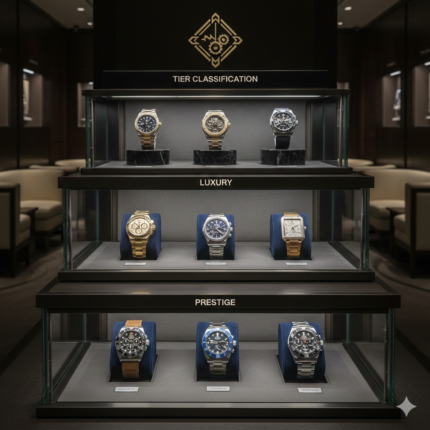
Watch Price Tiers Explained: From Entry-Level to Ultra-Luxury

Watches are more than just tools to tell time—they’re personal statements, symbols of craftsmanship, and sometimes, investments that appreciate over decades. With countless brands, styles, and price points, choosing the right watch can feel overwhelming. That’s where watch tiers come in.

By understanding the hierarchy of watches—from entry-level to ultra-luxury—you can confidently select a timepiece that fits your lifestyle, budget, and aspirations.

This guide breaks down every tier, highlighting what to expect, which brands excel in each category, and how to make the right choice.

1. Entry-Level / Everyday Watches

Price Range: $100 – $500

Goal: Affordable, reliable, stylish daily wear

Entry-level watches are perfect for beginners, casual wearers, or anyone wanting a functional timepiece without breaking the bank. Despite their affordability, many offer surprisingly good quality and design.

Key Features:

  • Quartz movements or basic automatic movements

  • Durable materials: stainless steel, mineral glass, leather or nylon straps

  • Versatile styles suitable for work, casual wear, or travel

  • Lightweight and practical designs for everyday comfort

Popular Brands: Seiko (basic lines), Casio, Timex, Orient

Entry-level watches allow you to explore different designs and styles without a major financial commitment. They’re also ideal for gifting or starting a collection that can evolve over time.

💡 Tip: Choose watches that reflect your personal style and lifestyle—durability and comfort are more important than luxury features at this level.

2. Mid-Tier / Premium Watches

Price Range: $500 – $2,500

Goal: Elevated quality and style for enthusiasts

Mid-tier watches are the sweet spot for watch enthusiasts stepping up from entry-level models. These watches balance price, craftsmanship, and aesthetics. They often feature automatic movements and better finishing, making them more durable and collectible.

Key Features:

  • Mechanical or automatic movements with smoother operation

  • Higher-quality materials: stainless steel with better finishing, sapphire crystal

  • Elegant and versatile designs for business, social events, or casual wear

  • Improved water resistance, durability, and precision

Popular Brands: Hamilton, Tissot, Longines, Oris, Certina

Mid-tier watches often serve as “forever watches” within their range. Many can last decades with proper care, and some may even hold or increase in value. They’re ideal for those who appreciate design, engineering, and reliability.

💡 Tip: Consider watches with classic designs—they won’t go out of style and can be passed down as heirlooms.

3. Luxury / Premium Watches

Price Range: $2,500 – $20,000+

Goal: Statement pieces that combine craftsmanship, prestige, and heritage

Luxury watches are more than just timekeepers—they’re symbols of taste, precision, and status. Designed with meticulous attention to detail, these watches are often mechanical masterpieces that appeal to serious collectors and style-conscious individuals.

Key Features:

  • High-end mechanical or automatic movements, sometimes with complications (chronographs, calendars, dual time)

  • Premium materials: gold, titanium, platinum, sapphire crystal, ceramic

  • Iconic and recognizable designs

  • Often limited production or part of signature collections

Popular Brands: Rolex, Omega, Grand Seiko, Tudor, IWC

Luxury watches offer not only beauty and performance but also heritage and long-term value. Collectors often see these watches as investments and cultural statements. Owning one elevates personal style and confidence.

💡 Tip: Pay attention to movement type, material, and heritage. Luxury watches often carry subtle details that enhance their value over time.

4. Ultra-Luxury / Collector Watches

Price Range: $20,000 – $100,000+

Goal: Rare, highly exclusive, and investment-grade masterpieces

Ultra-luxury watches are the pinnacle of horology. They are for serious collectors, investors, and enthusiasts who value rarity, craftsmanship, and history. These watches are often limited edition, vintage, or commissioned pieces that combine artistry with mechanical genius.

Key Features:

  • Highly complicated mechanical movements (tourbillons, perpetual calendars, minute repeaters)

  • Exceptional materials: platinum, rare alloys, gem-set dials, hand-crafted movements

  • Limited production or historically significant models

  • Often appreciate in value over time

Popular Brands: Patek Philippe, Audemars Piguet, Vacheron Constantin, Richard Mille, F.P. Journe

Ultra-luxury watches are more than status symbols—they’re masterpieces of engineering and artistry. Collectors often acquire them for their rarity, investment potential, and historical significance.

💡 Tip: Research provenance and condition carefully. These watches require specialized maintenance but can become family heirlooms or investment assets.

How to Choose the Right Watch Tier

  1. Define Your Budget: This is the most practical first step, immediately narrowing your options.

  2. Consider Your Lifestyle: Will you wear it daily, at work, or on special occasions?

  3. Think Long-Term: Mid-tier and luxury watches often last decades; consider them as investments in both style and quality.

  4. Prioritize Features That Matter: Movements, materials, and water resistance are more important than brand alone.

  5. Start with What Inspires You: Passion drives collections—choose the tier that excites you most, whether it’s an entry-level classic or a luxury masterpiece.

Final Thoughts

Understanding watch tiers allows you to shop smartly, whether you’re buying your first timepiece or expanding a serious collection. From affordable everyday watches to ultra-luxury collector pieces, each tier has its own value, charm, and purpose.

Swiss vs Japanese Watch Movements: What’s the Difference?

When choosing a watch, one of the most common questions buyers ask is whether a Swiss or Japanese movement is better. Both have long histories, strong reputations, and loyal followings — but they serve slightly different philosophies of watchmaking.

Understanding the differences helps you choose a watch that fits your priorities, whether that’s craftsmanship, accuracy, affordability, or long-term reliability.

What Is a Watch Movement?

A movement is the internal mechanism that powers a watch and keeps time. Movements can be mechanical (automatic or manual) or quartz, and both Swiss and Japanese manufacturers produce all types.

The real difference lies in design philosophy, manufacturing approach, accuracy standards, and market positioning.

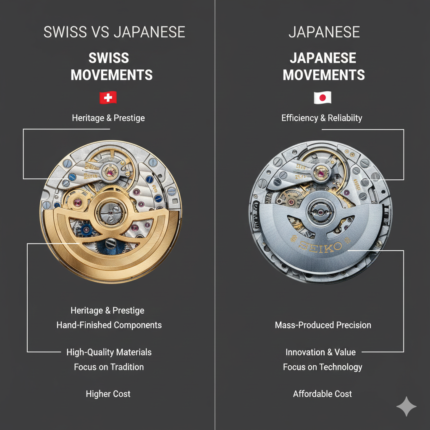
Overview: Swiss vs Japanese Movements
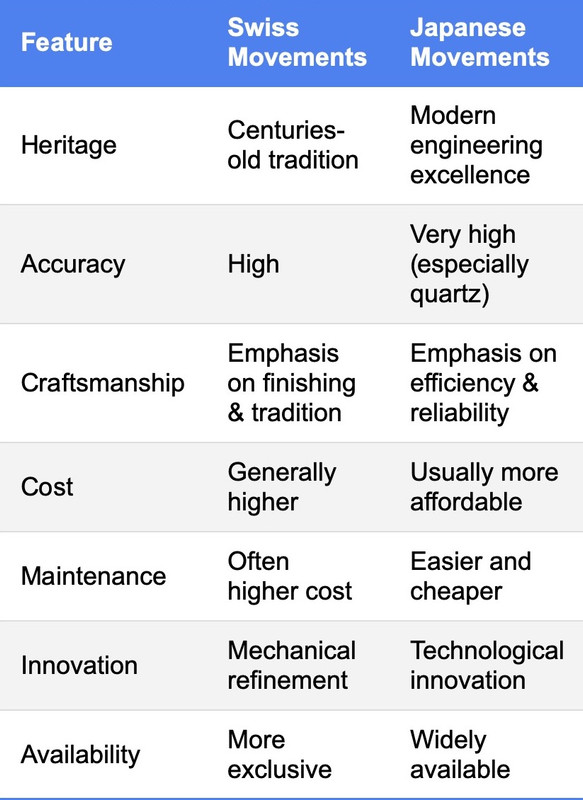
Description

Swiss Watch Movements Explained

Swiss movements are often associated with traditional watchmaking, craftsmanship, and prestige.

Key Characteristics:

  • Long history of mechanical expertise

  • Strong focus on finishing and detail

  • Widely used in luxury and heritage brands

  • Higher production and labor standards

  • Often regulated to tighter tolerances

Common Swiss movement manufacturers include:

  • ETA

  • Sellita

  • Valjoux

  • In-house calibers from Swiss brands

Swiss Accuracy Standards

Many Swiss movements meet COSC chronometer certification, meaning they run within:

  • −4 to +6 seconds per day

This certification reflects precision but also adds cost.

Japanese Watch Movements Explained

Japanese movements are known for precision engineering, innovation, and exceptional reliability.

Key Characteristics:

  • Highly efficient manufacturing

  • Excellent accuracy

  • Strong value for money

  • Durable and low maintenance

  • Widely used across price ranges

Major Japanese movement makers include:

  • Seiko

  • Miyota (Citizen Group)

  • Orient

Japanese brands pioneered quartz technology and continue to lead in accuracy and durability.

Accuracy Comparison

Quartz Movements

  • Japanese quartz is widely considered among the most accurate in the world

  • Swiss quartz is also accurate but often priced higher due to branding and finishing

Typical accuracy:

  • Quartz: ±10–20 seconds per month

  • Mechanical: ±5–30 seconds per day

Mechanical Quality & Craftsmanship

Swiss Approach:

  • Focus on mechanical tradition

  • Decorative finishing (perlage, Geneva stripes)

  • High-end movement architecture

  • Emphasis on heritage and prestige

Japanese Approach:

  • Function-first engineering

  • Exceptional consistency

  • Highly efficient manufacturing

  • Strong long-term reliability

Neither approach is “better” — they simply reflect different philosophies.

Reliability & Durability

Japanese movements are often praised for their ability to run for years with minimal servicing. They are widely used in everyday and professional watches.

Swiss movements are also extremely reliable but may require more regular servicing due to tighter tolerances and complexity.

Service & Maintenance

Aspect

Swiss

Japanese

Service cost

Higher

Lower

Parts availability

Good

Excellent

Service intervals

4–6 years

5–7 years

Global support

Strong

Very strong

Price Differences Explained

Swiss movements often cost more due to:

  • Higher labor costs

  • Stricter manufacturing standards

  • Brand heritage

  • Finishing and decoration

  • Marketing and certification

Japanese movements focus on efficiency and scale, which keeps prices competitive without sacrificing reliability.

Which One Should You Choose?

Choose a Swiss Movement if you:

  • Appreciate traditional watchmaking

  • Value finishing and heritage

  • Want a classic luxury feel

  • Prefer mechanical craftsmanship

Choose a Japanese Movement if you:

  • Want high reliability

  • Prefer accuracy and durability

  • Want better value

  • Appreciate modern engineering

The Truth: Both Are Excellent Choices

Swiss and Japanese movements represent two of the strongest traditions in watchmaking. Neither is objectively “better” — the right choice depends on what matters most to you.

Many collectors own both because they serve different purposes:

  • Swiss for craftsmanship and tradition

  • Japanese for reliability and everyday performance

Final Thoughts

Understanding the difference between Swiss and Japanese movements helps you make a smarter, more confident purchase. Rather than focusing on labels alone, consider how the watch fits your lifestyle, expectations, and budget.

At Watchstreet, we curate timepieces with both Swiss and Japanese movements, selecting models that meet our standards for authenticity, reliability, and long-term value — so you can choose with confidence.