Understanding Watch Movements: Quartz, Automatic, and Manual7/22
Introduction: Why Watch Movements Matter
A watch movement is the engine that powers your timepiece, determining how it keeps time, its precision, and maintenance needs. Whether you’re a beginner or an experienced collector, understanding watch movements is essential for choosing a timepiece that suits your style and lifestyle.
In this guide, we’ll explore the three main types of watch movements—quartz, automatic, and manual—and their unique features.
1. Quartz Movement: Precision & Low Maintenance
Quartz watches are battery-powered and use a tiny quartz crystal to regulate time.
Key Benefits:
-
Extremely accurate timekeeping
-
Low maintenance — just battery replacement
-
Affordable and widely available
Quartz movements are perfect for people who want reliability and minimal upkeep. Many luxury brands offer quartz versions for those who prefer precision over traditional mechanical engineering.
2. Automatic Movement: Self-Winding Mechanical Excellence
Automatic watches are powered by the motion of your wrist. The movement winds itself as you wear it, storing energy in the mainspring.
Key Benefits:
-
No battery needed — powered by motion
-
Mechanical craftsmanship appreciated by collectors
-
Smooth sweeping seconds hand (distinct from quartz ticking)
Automatic movements are ideal for enthusiasts who value traditional watchmaking and mechanical engineering. They often require occasional servicing to maintain optimal performance.
3. Manual Movement: Traditional Craftsmanship
Manual watches, also called hand-wound watches, require the wearer to wind the crown regularly to power the mainspring.
Key Benefits:
-
Purely mechanical — no batteries or automatic winding
-
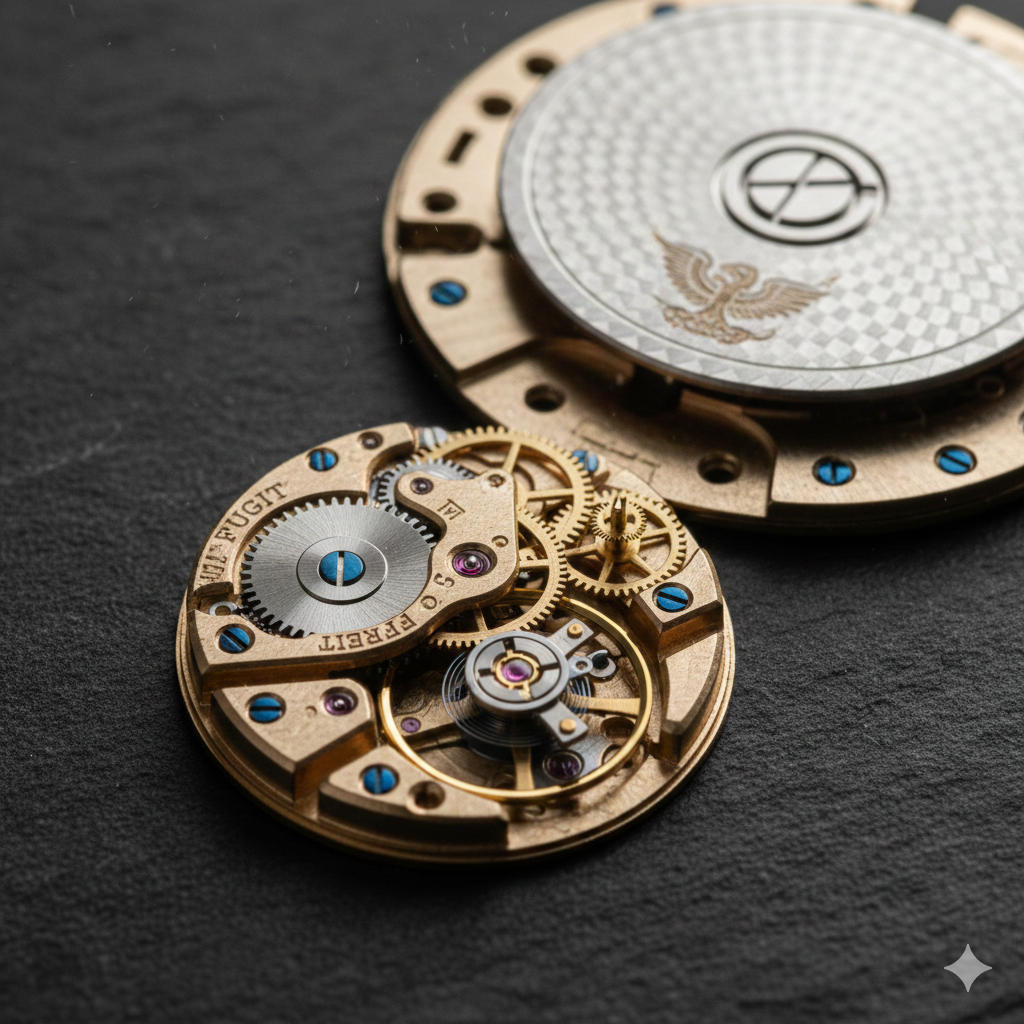
Often features intricate movement design visible through exhibition case backs
-
Offers a tactile and engaging experience
Manual movements are best suited for collectors who enjoy the ritual of winding their watch and appreciating mechanical artistry.
4. Choosing the Right Movement for You
When selecting a watch, consider:
-
Lifestyle: Do you want low maintenance or a hands-on experience?
-
Aesthetic preference: Do you enjoy the smooth sweep of mechanical hands?
-
Collection goals: Are you collecting for style, investment, or craftsmanship?
Understanding the difference between quartz, automatic, and manual movements empowers you to choose a watch that perfectly suits your needs. Each movement has its unique charm, functionality, and collector appeal.
Whether you prefer the precision of quartz, the engineering of automatic, or the ritual of manual winding, Watchstreet provides authentic, curated luxury watches for every type of collector.